As teenagers growing up in Sydney, Australia in the nineties, we had a daily, unvarying summer holiday routine. Meet at Nandos at noon, and then head down to the beach. Nandos was the Portuguese chicken shop that boasted delectable chicken ribs at a teen-friendly price that I can still taste if I close my eyes. “The beach” – despite having no less than eight choices of sunkissed stretches of shoreline within a ten mile radius – was Bondi. Always, Bondi.
Unlike the long, continuous coast lines of California or Florida, Sydney’s beaches are individual inlets, each with a different scale and personality. Bondi is about half a mile long and can be crammed with as many as 50,000 people on a hot summer day, so if you weren’t at Nandos to meet your friends pretty close to 12pm you were unlikely to ever find them. (These were the days before we all had portable plan-wreckers in our pockets.) Having said that, we always congregated on the same end, North Bondi, directly in front of the grassy area where thirty years later – in a future beyond the reach of our darkest imaginings – fifteen people would be gunned down at a Chanukah celebration. But in those days – at around 12.30pm in the summertime, towels and Pepsi’s in hand – hordes of Jewish teens would make their way down to the sand. The hot afternoon would be spent flirting, tanning, triaging an oncoming wave across the roar of the ocean (over! – under! through!) and laughing at your friends when they got dumped – not by a boyfriend, but by a wave, which I assure you is much more traumatic.
At around 5pm when we’d had enough of the sun and the sand and the salt, we’d catch the bus to someone’s house and spend the last few hours before the sun set cooling our stinging skin in the pool – the clean chlorine and shade of the pergola a welcome end to a day of salt on our tongues and sand in our bums. Australia doesn’t have a summer camp culture, these were our teenage summer days. Rinse and repeat for 6 weeks.
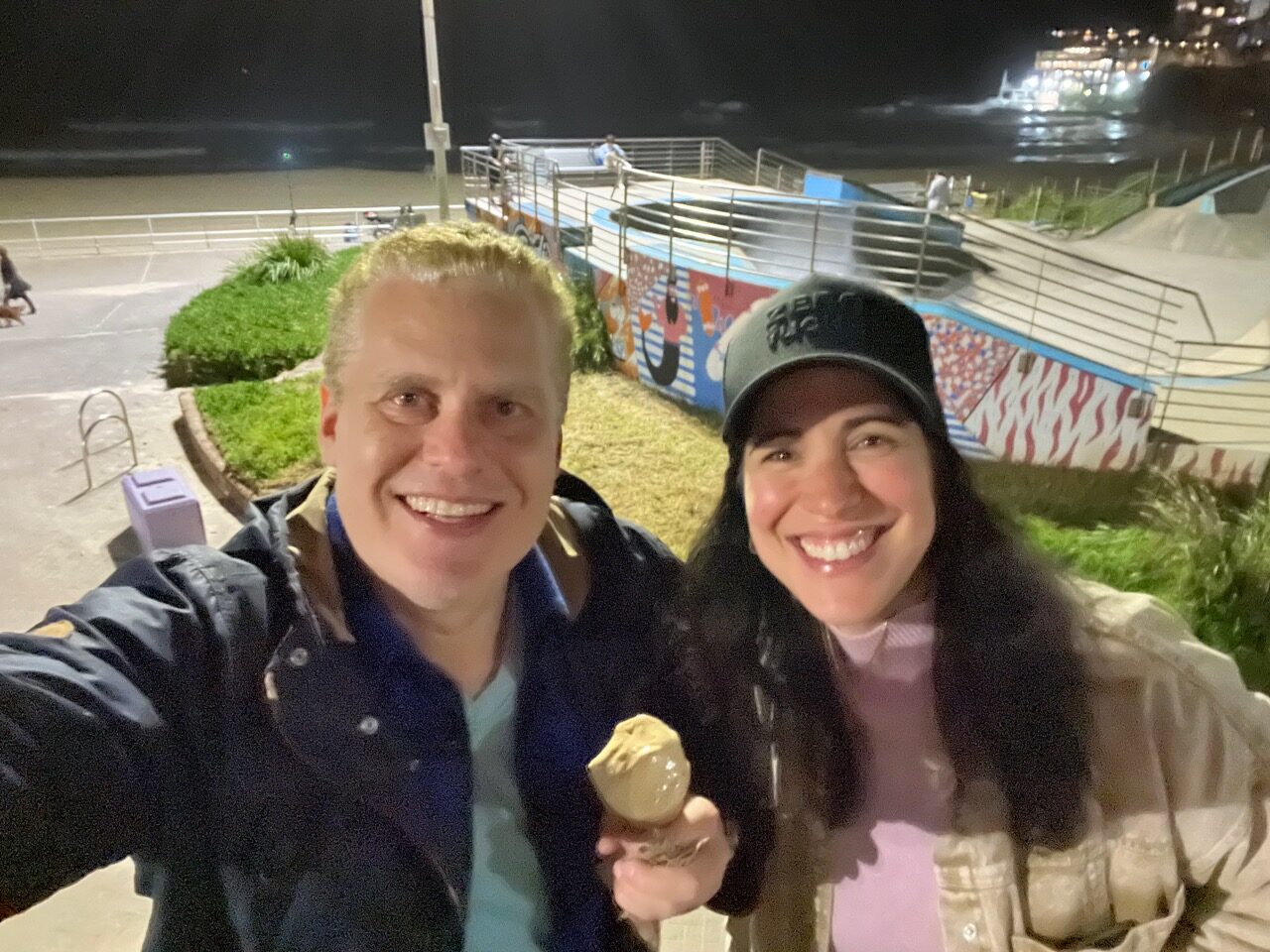
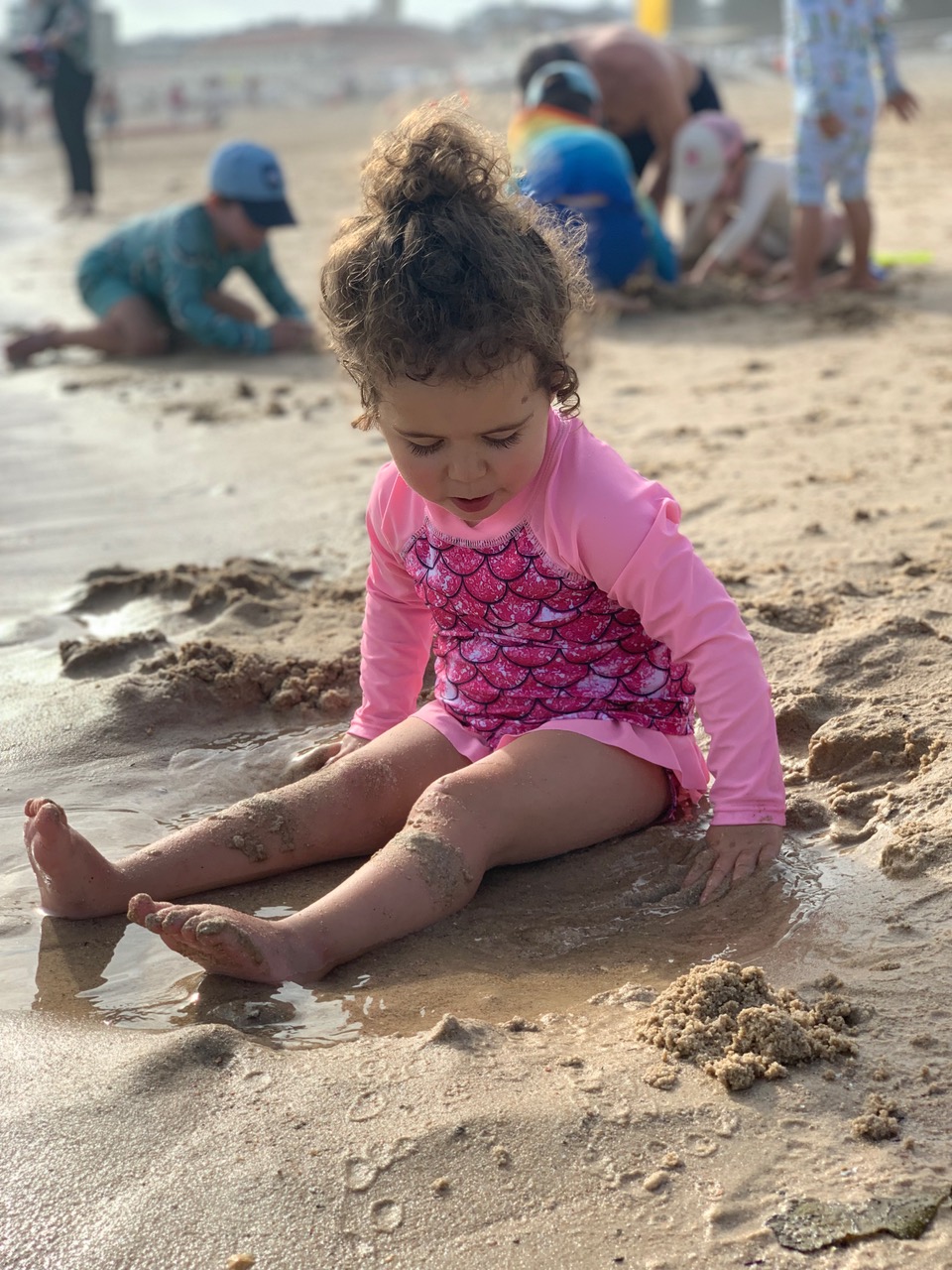
As adults, the connection to Bondi hasn’t changed. We meet at Speedos, the beachside cafe that has been there since 1985 for a morning coffee, we drink beers and watch the sun go down on the grass. Our teens use the skate park, our preschoolers the playground. We introduce our babies to the harsh Australian sun by covering every inch of their skin with UV protective clothing and sunhats with flaps that cover the back of their necks. We run along the promenade for exercise and wonder if the guy doing pull-ups on the seaside gym equipment will still be there when we circle back (he will be.) At the time of year when the days are long, we stop for a quick dip in the ocean on the way home from work, the beach littered with people even at 8pm. Bondi is the epitome of Australia: laid-back, cheerful, and without a care in the world.
That changed on Sunday, December 14th. At 7am New York time, about 5 hours after the massacre had taken place, my husband gently woke me to tell me I should call home. I hazily checked my phone and saw my family chat flooded with messages. Is everyone ok? Yep… All ok. I asked whoever was still awake to please call me – by this time it was close to midnight in Australia – and as my sister’s number illuminated my phone my four year old came bounding in from her bedroom gleefully shouting “It’s Chanukah! It’s Chanukah!” as if I needed a reminder in that moment of the perpetually painful paradox of being a Jew.
The rest of the day was a blur. Many American friends reached out. I took my daughter to a birthday party. I counted the hours until 3pm when I knew my parents would be waking up in Australia so we could touch base. Meanwhile, the death toll rose. My best friend, the head of the ER at Sydney Children’s Hospital, told me that the 10 year old child who had been brought in earlier in the night had succumbed to her injuries. We now know this to be Matilda. Matilda’s parents fled the Soviet Union and had named her such because Matilda is the most Australian name you can think of. (Her little sister’s name is Summer.)
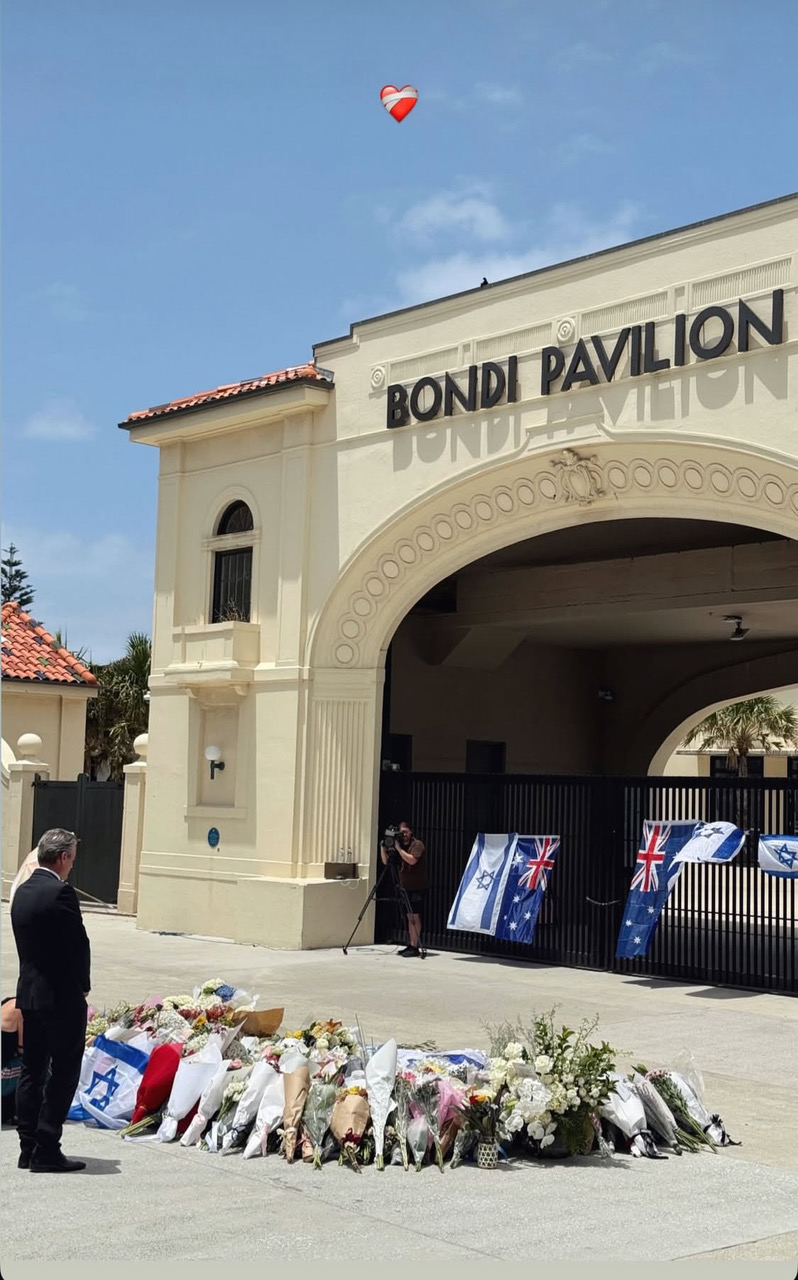
In the days that followed my family chat was flooded again but this time with photos of lit Chanukah menorahs. We were doing what Jews do best – despite our pain, we were celebrating life. We welcomed the outpouring of support from the broader community. Thousands of flowers on-site down at Bondi, a menorah projected onto the sails of the Sydney Opera House and onto St. Mary’s Cathedral, Australia’s oldest. Overwhelming support from religious leaders across boundaries of faith and from politicians on both sides of the aisle. Messages from our non-Jewish friends and colleagues. Concurrently, our anger mounted. Australia’s Jewish community had been shaking our fists about rising antisemitism for more than two years. How could something so shocking not be shocking at all?
I’ve always held Australia up as one of the world’s best places to live. Even the day before the attack, we had people over for Shabbat lunch who asked me about the antisemitism problem. I shrugged it off. I couldn’t bring myself to say anything negative about my home. And now, here we were: Jews massacred in my proverbial backyard. Those Jewish teens on the beach in the 1990s knew nothing of antisemitism. It was something we read about in history books. Something that happened to our grandparents in Europe, and would never happen anywhere else again. These days, surprise is no one’s first reaction to attacks on Jews, but in the days that followed, I kept quietly asking myself – why did it have to be Bondi, forever stained with Jewish blood?
I see a faint, painfully dark silver lining, however. The sheer scale of the attack – and the fact that it struck a place at the heart of Australian identity – might finally force change. We may never feel as safe as we did growing up (our children certainly won’t), but I remain cautiously hopeful. It’s possible that swift action – like the world-renowned gun crackdown following the Port Arthur massacre in 1996 – could position Australia as a global example of how to confront antisemitism and violent extremism. That hope may be wishful; I don’t have much faith in the current Prime Minister. But I do have faith in Australia’s refusal to accept that our most iconic beach – and everything we hold dear about our beautiful country – could be defiled by violence, fear, and hatred. We want to return to a time when our only worry is the sun on the back of our babies’ necks – and finding our friends on the sand.
***
Stand with Bondi. Stand against Hate.
By supporting the Bondi Community Relief Appeal, you’re sending a clear message: you are not alone. We stand together, and we do not accept hate.
Donations of $2 or more are tax deductible.
***
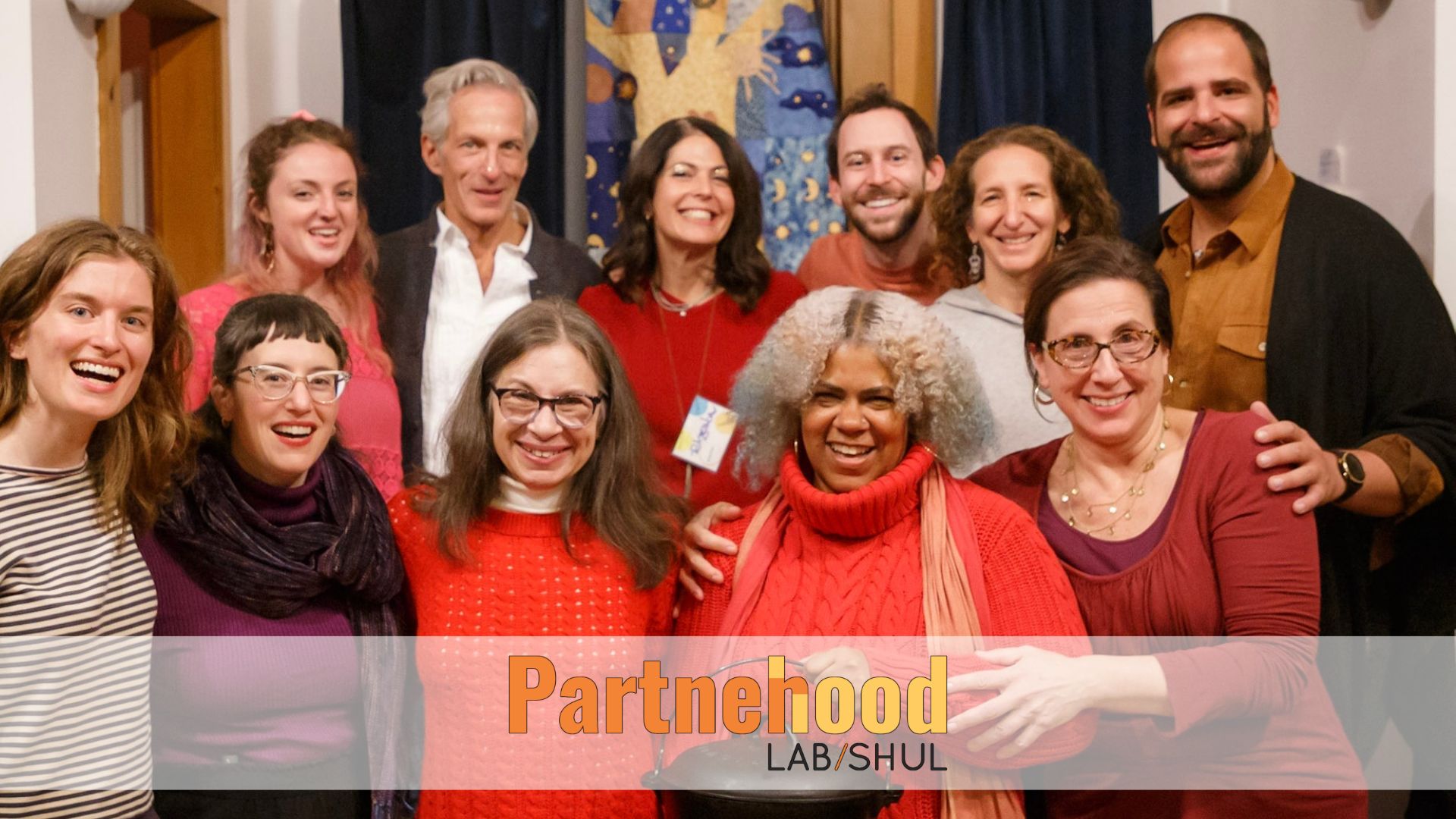
More about Lab/Shul’s Artist & Educator in Residence:
Alexis Fishman | @alexis_fishman